 NEWS
NEWS
Supreme Court to Rule if Customers can Sue Apple Claiming App Store is Illegal Monopoly
 11/26/2018
 3793
3793
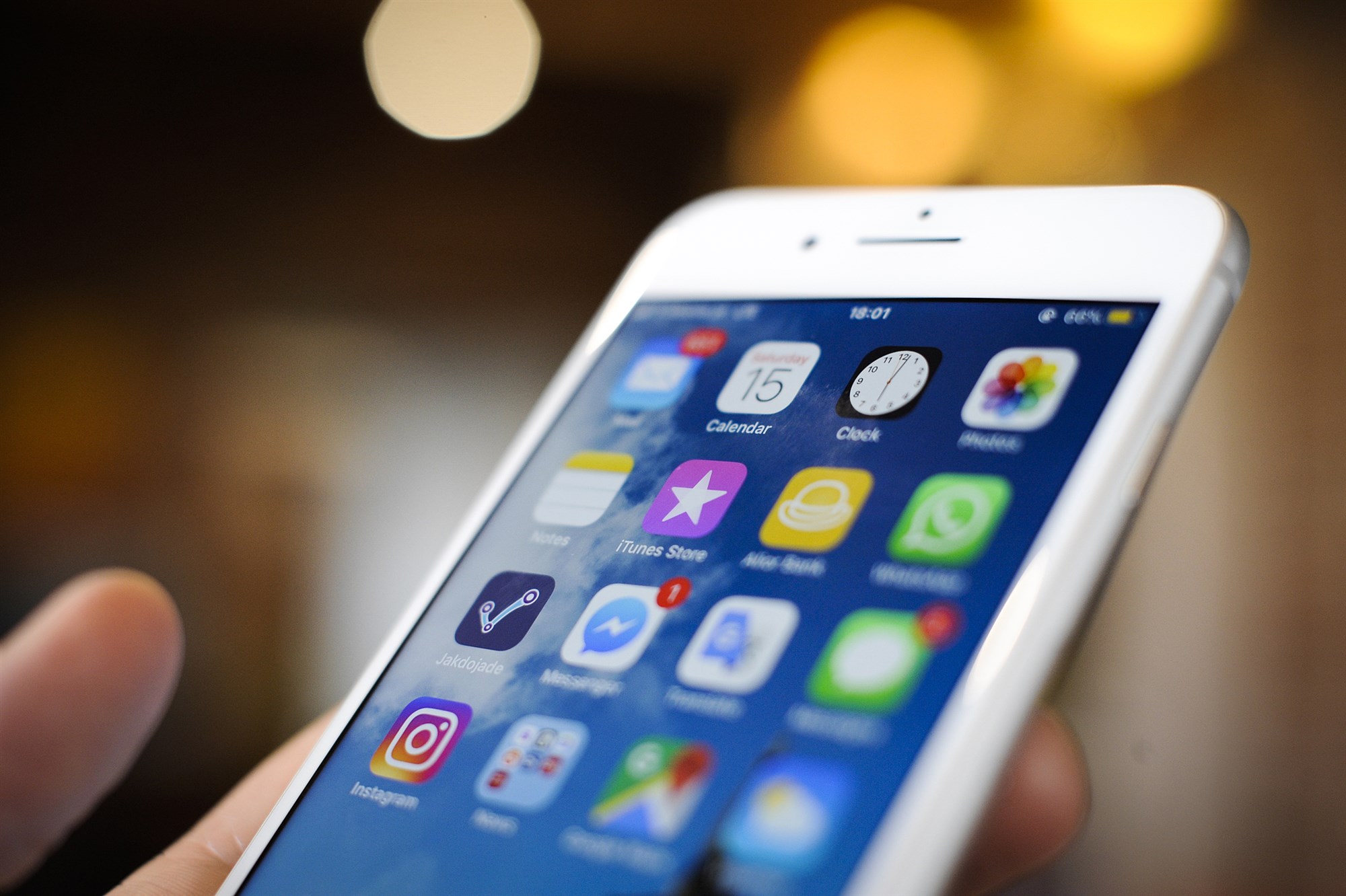
Anyone who wants to get an app for an iPhone has only one place to go — Apple's own App Store. The U.S. Supreme Court hears argument Monday on whether customers can sue by claiming that such an arrangement amounts to a monopoly that jacks up prices.
If the justices allow the case to go forward in the lower courts and Apple eventually loses, that could disrupt the App Store. Even though the average price of an app is just over one dollar, the App Store generated an estimated $11 billion in revenue for the company in 2017. A ruling that Apple was running an illegal monopoly could expose it to millions of dollars in damages.
Software developers say that outcome would disrupt similar online marketplaces that operate between app creators and customers. But some consumer groups say it could create competition that would lower prices.
Apple urges the Supreme Court to throw the case out, arguing that it's not actually selling anything but is instead operating a marketplace that allows app developers to sell their products. A key question: Who's responsible for any overcharging — the developers, who set the price, or Apple, which levies a commission on every app sold?
Apple iPhones are designed to run only programs sold through its App Store. When software developers offer their products, Apple reviews them for compatibility and malware and, once they are approved, charges the developer a 30 percent commission. When a customer buys an app, Apple collects the purchase price, if any, and sends the proceeds to the developer.
But a group of iPhone customers filed a class action lawsuit, claiming that Apple has created a closed market for apps, allowing the company to tack on a monopoly overcharge to every sale.
"Apple's intentionally closed system prevents competition," says David Frederick, a lawyer representing the customers, "which enables the App Store to collect a higher price than if Apple were forced to entice app seekers in a competitive market."
If the customers succeed in their lawsuit it could be a big payday: Antitrust law allows seeking triple damages.
But Daniel Wall, a lawyer for Apple, says the company, far from stifling competition, "created a dynamic new industry where none had existed before," with more than 2 million programs now offered through the App Store, an electronic marketplace that "drove an explosion of development and innovation in mobile apps."
For the Supreme Court, the issue is a straightforward one — who gets to sue? For 40 years, the courts have held that when there's an illegal monopoly, only the direct purchaser can sue for damages. Suppose, for example, that the only supplier in town for dry cleaning chemicals is overcharging. Under this long-standing legal doctrine, customers who bring in their laundry cannot sue. Only the dry cleaners can, because they're the direct buyers of the chemicals.
So as Apple sees it, even if the App Store amounted to an illegal monopoly — and the company insists it isn't — only the app developers could sue, because they're the actual buyers of Apple's distribution service. On that basis, a federal judge in San Francisco threw the lawsuit out, concluding that Apple didn't sell anything directly to iPhone consumers.
But the Ninth Circuit Court of Appeals reversed. It held that Apple acts like a retailer that buys products and then resells them. Accordingly the customers were allowed to sue. It's that decision that Apple appealed to the Supreme Court.
The Trump administration is siding with Apple. In its friend of court brief, the Justice Department said it would be particularly hard to figure out whether the App Store overcharges, since the prices are set by tens of thousands of app developers.
The court will decide the case by late June.
Source: nbc news