NEWS
Apple Smart Glasses: Siri AI, Design and Expected 2027 Launch
 11/16/2026
 28
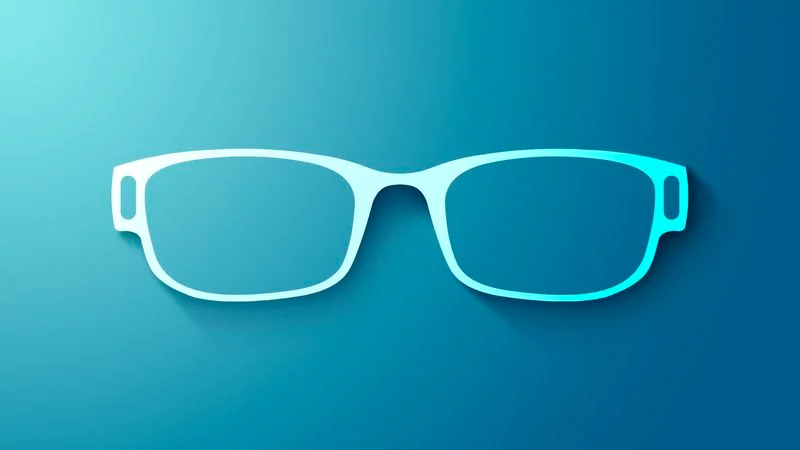
Apple is reportedly preparing to unveil its first smart glasses at WWDC in June 2027, with shipments expected to begin before the end of the year. According to Bloomberg's Mark Gurman, the device will combine cameras, advanced audio, and AI-powered Siri features in a lightweight design, positioning Apple to compete with Meta's popular smart glasses.
In the latest edition of his Power On newsletter, Gurman revealed new details about the glasses' design, charging system, software, and planned features.
Apple Smart Glasses Could Be Thinner Than Meta Ray-Bans
Apple's smart glasses, internally codenamed N50, are currently being tested in multiple prototype designs.
According to Gurman, the latest prototypes are slightly thinner than Meta's second-generation Ray-Ban smart glasses. Some versions feature oval-shaped camera openings integrated directly into the frame, avoiding the bulky camera housings found on some competing products.
Apple is reportedly experimenting with several styles and color options, with particular attention to materials, sensors, and overall audio quality.
The glasses will also feature a front-facing indicator light to signal when the cameras are being used or the device is charging. Apple is exploring additional privacy features, although their final implementation remains unclear.
Magnetic Charging and High-End Audio
Charging is another area where Apple is experimenting with different hardware solutions.
Current prototypes feature a small, flat, three-pin magnetic charging connector that attaches near the end of the left temple arm. Gurman describes it as roughly the size of a Tic Tac.
Interestingly, testers can reportedly charge the glasses while wearing them. However, it remains uncertain whether Apple will retain this charging design in the final product.
Audio is expected to be another major selling point. Apple employees have reportedly described the sound quality as "industry-leading."
The glasses are being designed to support:
●Music playback
●Phone calls
●FaceTime audio
●Siri voice interactions
Apple appears to be placing significant emphasis on making the glasses comfortable enough for all-day use while delivering an audio experience that goes beyond basic smart eyewear.
Siri Will Power Apple's AI Smart Glasses
Unlike augmented reality headsets such as Apple Vision Pro, the first-generation smart glasses will reportedly not feature an integrated display or AR overlays.
Instead, users will interact primarily through Siri. The glasses' cameras will allow the assistant to understand what the wearer is looking at and provide relevant information.
Potential features include:
●Visual recognition: Identify buildings, objects, and other surroundings.
●Food suggestions: Recommend meals based on ingredients visible inside a refrigerator.
●Navigation: Provide directions and location-related information.
●Live translation: Translate signs and conversations.
●Communication: Handle calls, messages, and iPhone notifications.
●Personal assistance: Manage calendars, reminders, and everyday tasks.
●Entertainment: Control music playback.
●Smart home: Interact with connected home devices.
The goal is to make Siri a more context-aware assistant that can respond to what users see and hear without requiring them to constantly take out their iPhones.
Developers Could Bring iPhone Apps to Smart Glasses Through Siri
One of Apple's biggest advantages could be its existing app ecosystem.
Gurman reports that Apple wants developers to make specific features of their iPhone apps accessible through Siri. This could allow users to complete everyday tasks directly through voice commands.
Potential examples include:
●Booking restaurant reservations
●Requesting rides
●Ordering coffee
●Shopping online
●Purchasing movie tickets
Developers will not need to build entirely separate applications for the glasses. Instead, their existing iPhone apps will run on a paired iPhone, while the glasses act as the interface for user requests.
This approach allows Apple to offer a wide range of services without requiring the glasses themselves to have substantial processing power or storage.
However, the first-generation product will reportedly require a recent iPhone model and will not support Android devices.
Will Apple Smart Glasses Work Without an iPhone?
Although the glasses are designed to work alongside an iPhone, some functions may remain available when the phone is not nearby.
According to Gurman, Wi-Fi connectivity could allow certain features outside third-party app integrations to continue working independently. Audio playback, for example, could theoretically operate over Wi-Fi.
However, the glasses will not function as a fully standalone device.
Internally, prototypes reportedly run a reduced version of visionOS 28 and use a processor derived from older Apple Watch chips. Separate custom components handle wireless connectivity and image processing from the cameras.
The paired iPhone will handle much of the heavier computing work, compensating for the glasses' limited processing power and memory.
Apple Is Preparing Siri for Its Smart Glasses
Apple is already working on the software infrastructure needed to support the glasses.
The first iOS 27.3 beta reportedly introduces more precise Siri controls that allow the assistant to interact with specific features inside third-party applications.
Although Apple demonstrated similar capabilities in 2024, the technology has since been rebuilt using newer AI models.
Apple reportedly plans to introduce support for its own applications in December, followed by third-party developer support in 2027.
This timeline would give developers an opportunity to prepare their apps before the smart glasses arrive.
Access to Apple's existing software ecosystem could become a major competitive advantage against Meta and other smart glasses manufacturers.
Smart Glasses and Camera-Equipped AirPods Could Launch in 2027
Apple is also reportedly developing camera-equipped AirPods, which remain targeted for release in late 2027.
Like the smart glasses, these AirPods are expected to use cameras to provide Siri with information about the user's surroundings.
However, the two products will serve different purposes. The glasses could offer longer battery life and accommodate more sensors, making them better suited for continuous, all-day use.
Apple reportedly sees smart glasses as a potential everyday wearable rather than simply an accessory for occasional AI interactions.
Apple Targets WWDC 2027, but AI Could Delay the Launch
Apple began working on its smart glasses in the early 2020s and has reportedly settled on much of the hardware design.
The remaining challenges are primarily related to software and artificial intelligence. Gurman says development in these areas is running behind schedule, creating a potential risk to Apple's planned 2027 launch.
For now, Apple is still targeting a June 2027 announcement at WWDC, with shipments expected before the end of the year.
If the timeline holds, Apple's first smart glasses could become one of its most significant new product launches in years, bringing AI-powered visual assistance into a familiar everyday accessory.
Source: Macrumors